
How Are Independent Cultural Initiatives Shaping Cultural Policy? Panel Discussion Held as Part of the Re:Create Europe Project
14 October 2026
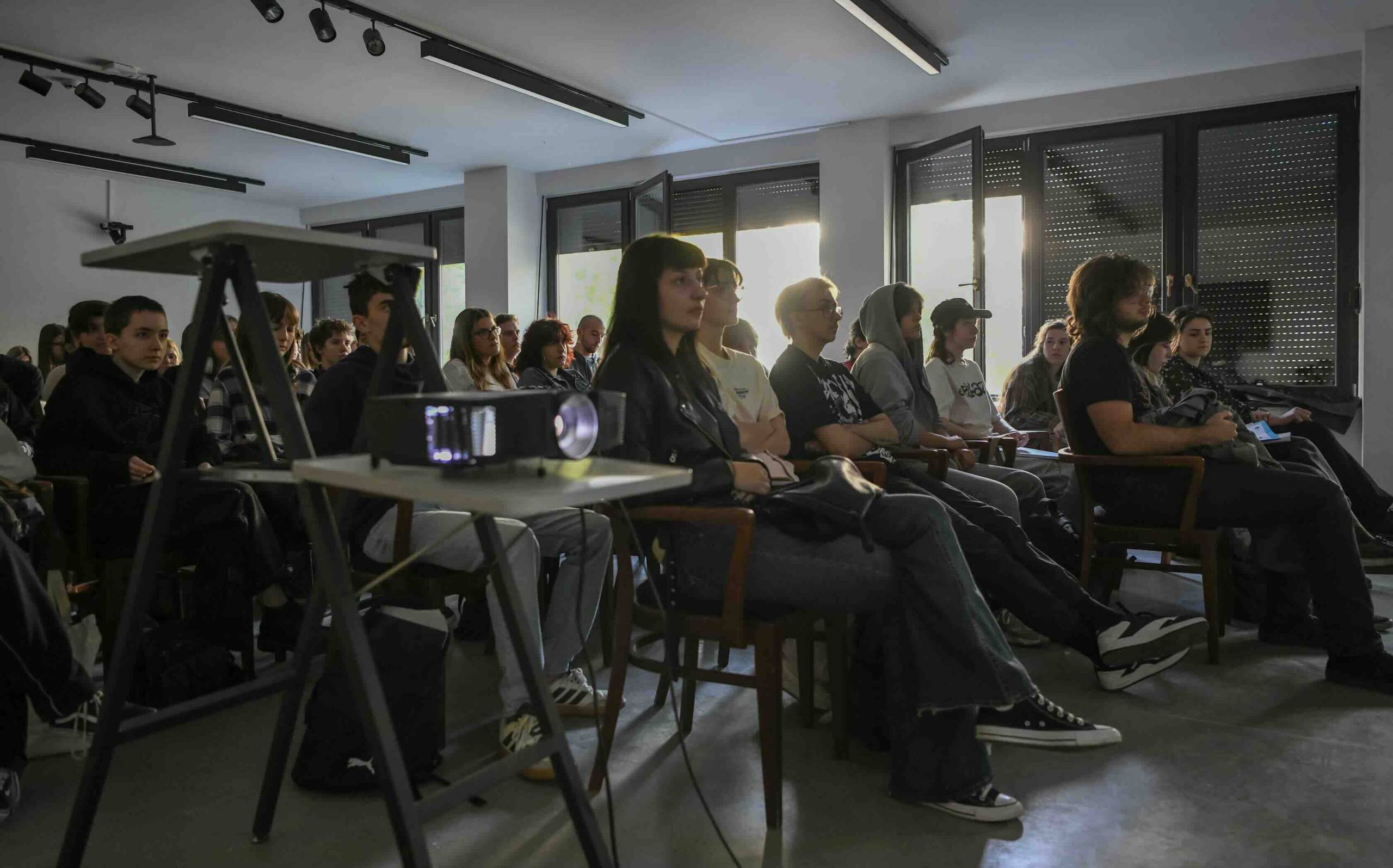
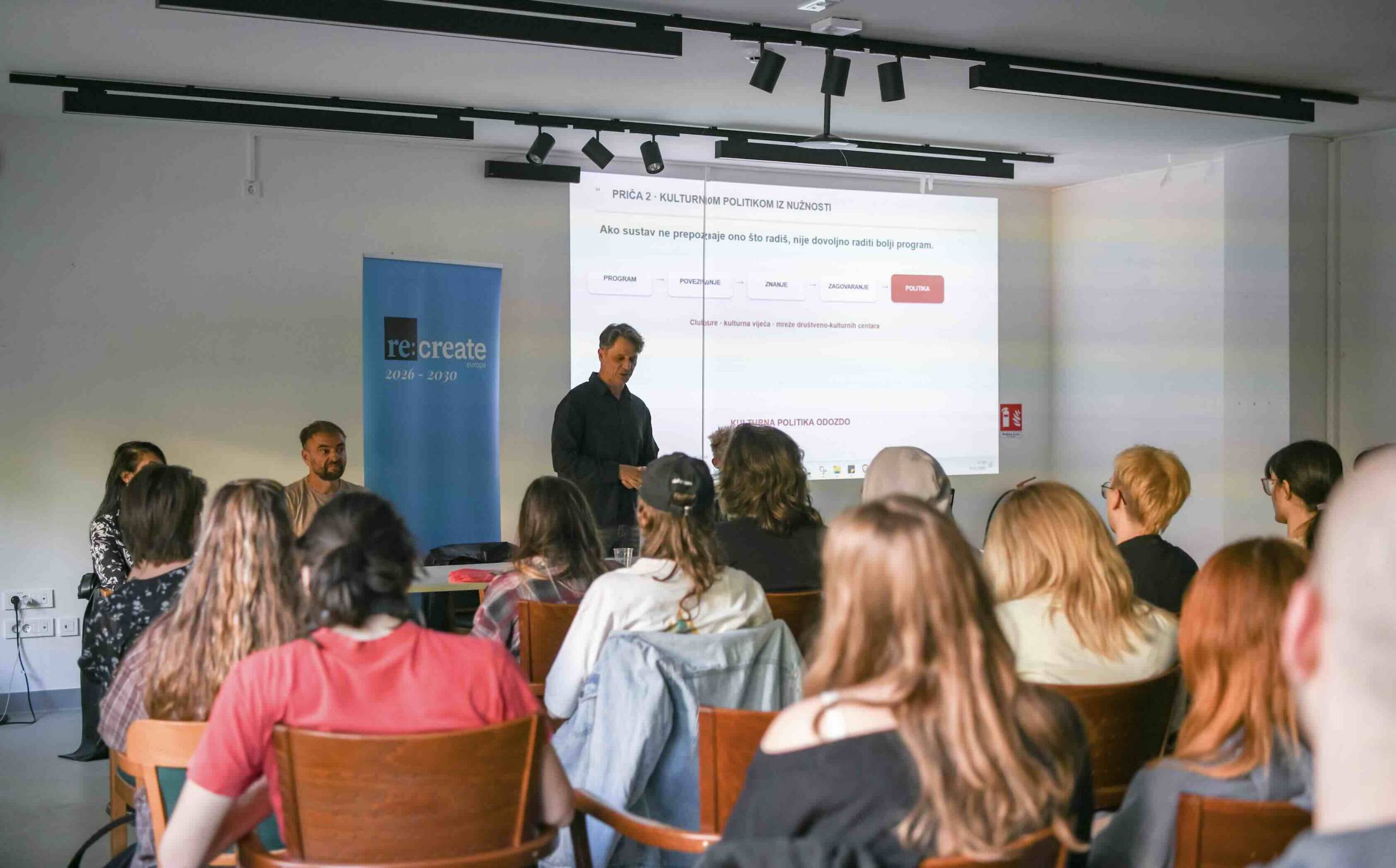
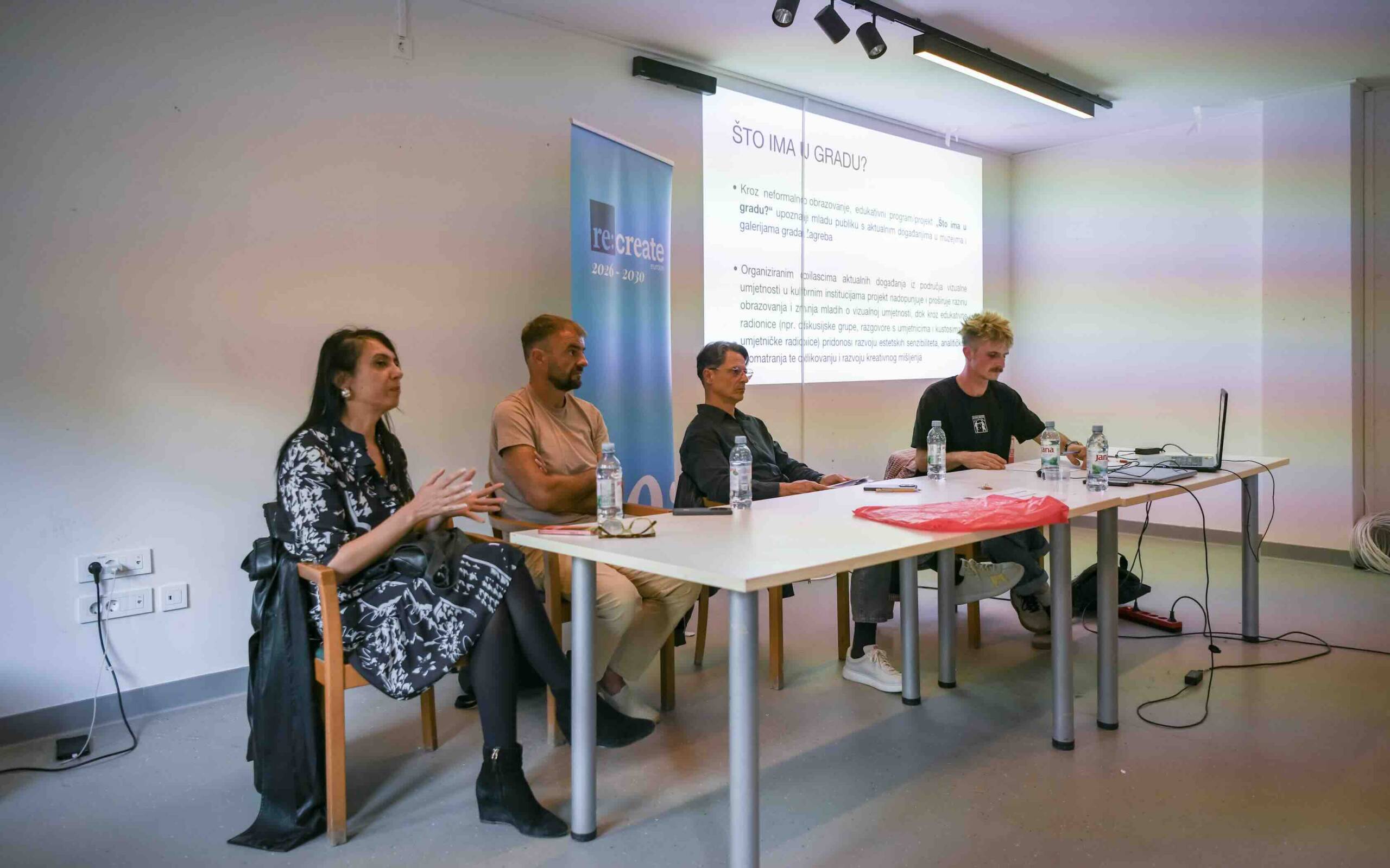
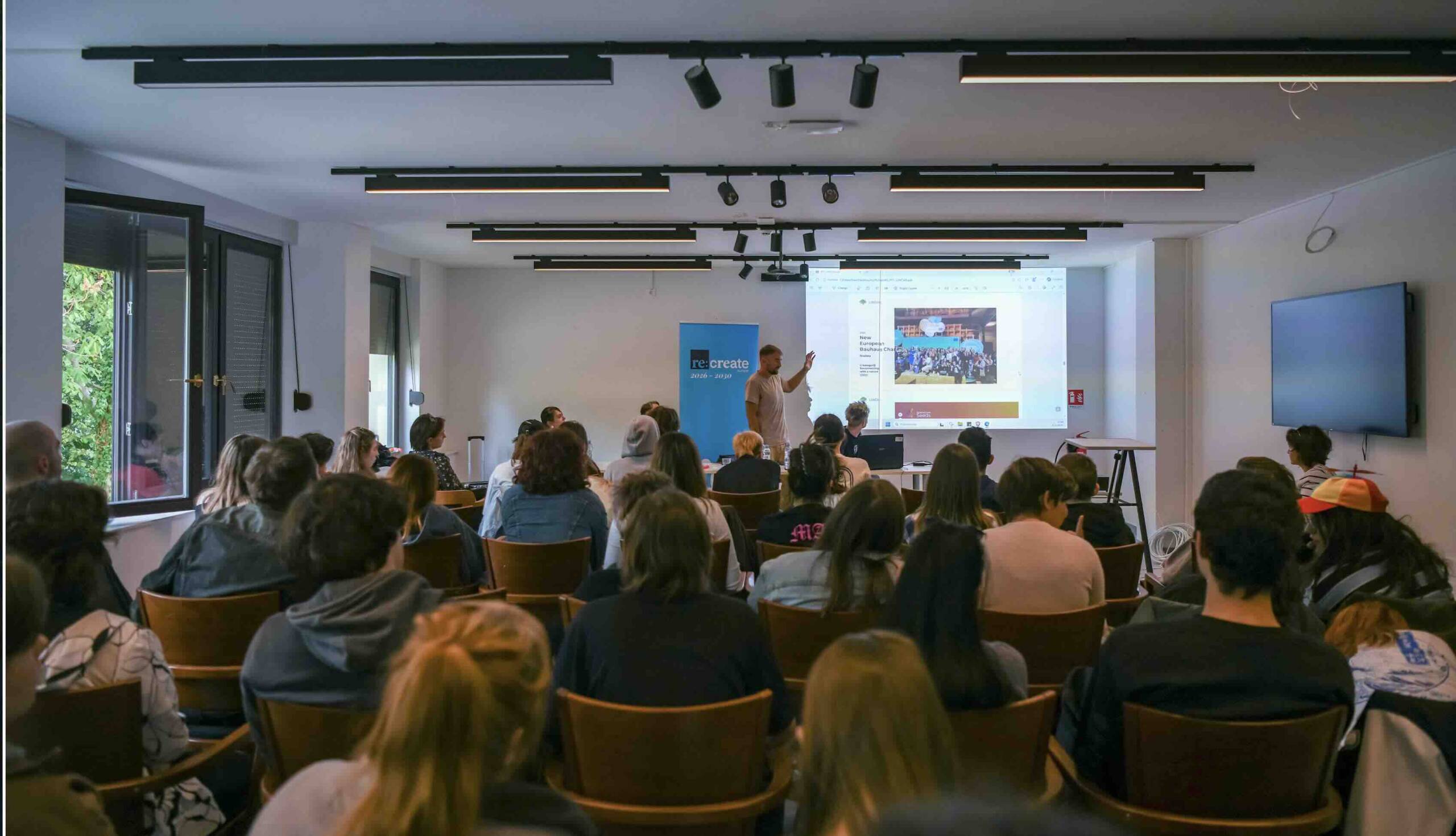
How do cultural initiatives emerge from local needs, survive in conditions of limited resources and uncertainty, and gradually transform the cultural and social life of their communities? These questions were discussed at the panel Transformation of Cultural Policies through Best Practices of Autonomous Cultural Centers in Smaller Communities, held on 6 October 2026 in the Council Chamber of the Academy of Fine Arts in Zagreb, as part of the Re:Create Europe project. The panel was conceived by Josip Zanki.
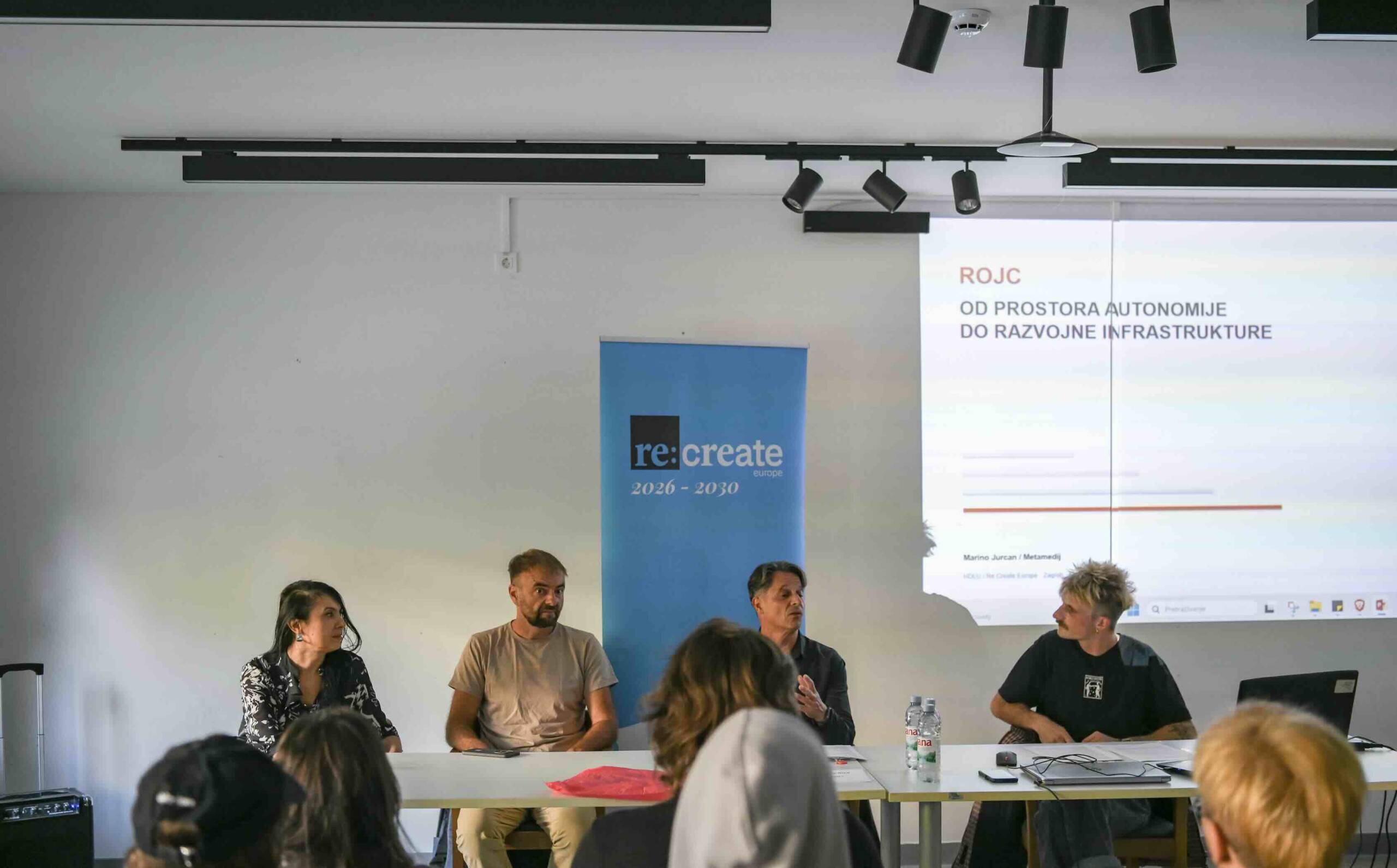
Drawing on three examples from Croatia, the panel discussed cultural autonomy, the sustainability of the independent cultural scene, the management of shared spaces, and how practical experience can inform cultural policy development.
The discussion featured Marino Jurcan, who presented the Community Center Karlo Rojc in Pula; Marijana Stanić, who spoke about the work of Gallery 90-60-90 in Zagreb; and Marko Simić, who presented the activities of the Lončari Association and Pueblo Escondido, located near Gornji Karin.
Three Examples of Cultural Autonomy and Resilience
The Community Center Karlo Rojc demonstrates how a former military building can be transformed into important infrastructure for the cultural and civil society sectors through the collective efforts of the organisations based there. Its experience highlighted the importance of shared spaces, cooperation, knowledge exchange and collective governance, as well as the need for established structures to evolve over time and create opportunities for new generations.
Gallery 90-60-90 presented an example of the long-term development of independent artistic practice despite spatial and financial uncertainty. One particularly interesting example was the project Sound Image, in which works originally created for radio were presented in a physical exhibition space, with ten cars serving as listening spaces. This project demonstrates how limitations and unconventional spaces can stimulate experimentation and inspire new exhibition formats.
The Lončari Association and Pueblo Escondido demonstrated how artistic practice can be connected with local needs, environmental action, community-building and intercultural exchange. One of the examples highlighted was the initiative It’s Not Too Late, which addressed the problem of a large waste dump on the road leading to a protected natural area and involved approximately 100 people.
From Local Initiatives to Cultural Policy Change
A key conclusion of the discussion was that cultural policy does not always precede cultural practice. Independent initiatives are often the first to identify the needs of local communities and develop practical responses. Over time, their experience can become a valuable source of knowledge for institutions and policymakers.
The discussion particularly emphasised the importance of long-term continuity, adaptability in conditions of limited resources, and forms of participation that go beyond simply attending cultural events. Meaningful participation creates opportunities for different groups to actively contribute to programmes, collaborate, take on roles and help shape the cultural life of their communities.
The examples of Rojc, Gallery 90-60-90 and the Lončari Association offered three complementary approaches to resilience in the cultural sector: developing shared infrastructure and collective organisational models; sustaining artistic practice while embracing experimentation; and connecting culture with community needs and the creation of new social relationships.
The panel again raised how to better recognise the knowledge generated through the long-term work of independent cultural organisations and create conditions to share and apply it in cultural policymaking, particularly in smaller communities and areas with limited cultural infrastructure.
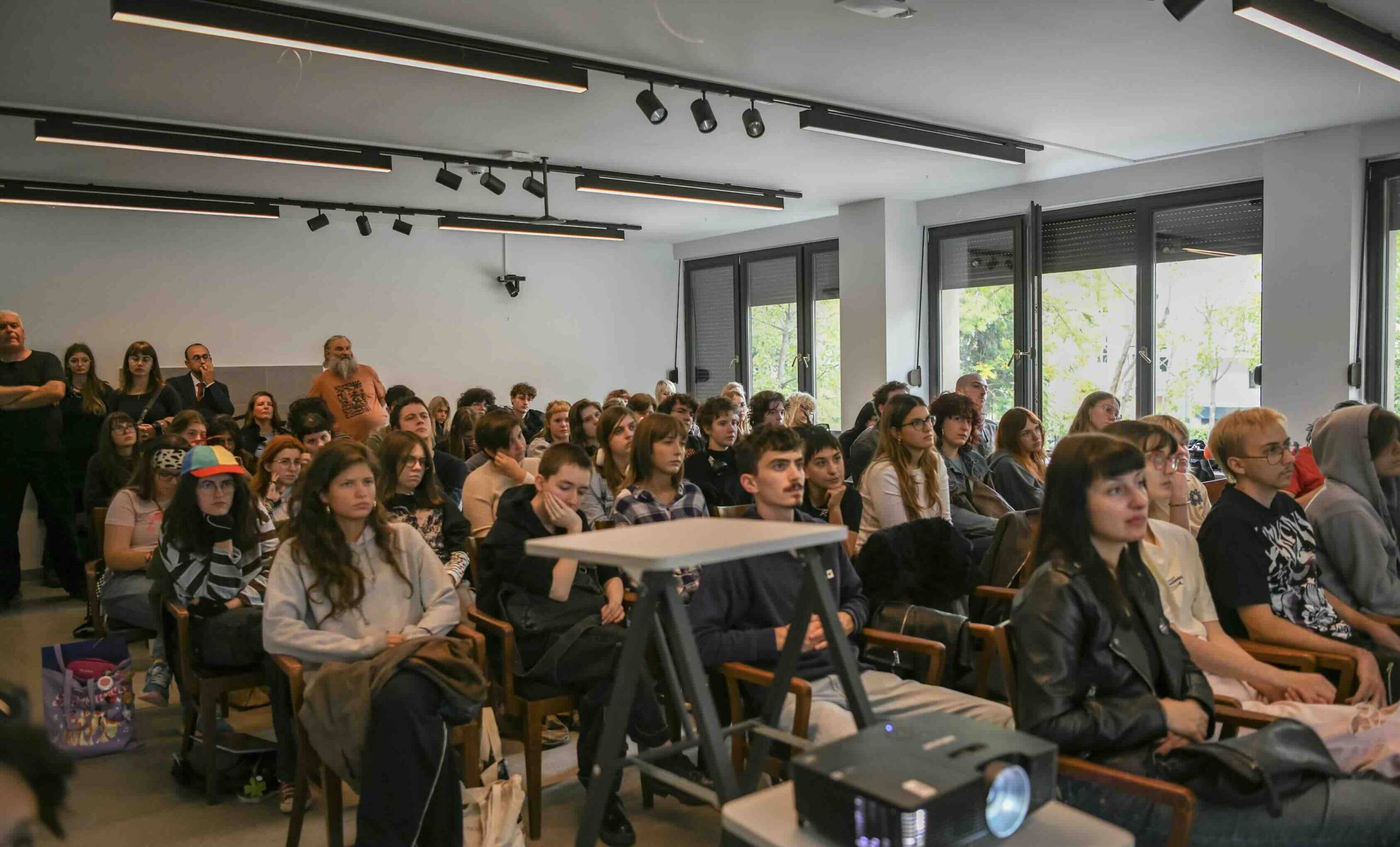
Photo: Juraj Vuglač
Within the project:

Partners:

Co-funded by:

Co-funded by the European Union – CREA-CULT-2025-COOP. The views and opinions expressed are solely those of the authors and do not necessarily reflect the official position of the European Union or the European Education and Culture Executive Agency (EACEA). Neither the European Union nor the European Commission can be held responsible for them.
[Project number: 101255481]
MEŠTROVIĆ PAVILION CLOSED DUE TO RENOVATION
INFORMATION FOR VISITORS


Web Hosting


